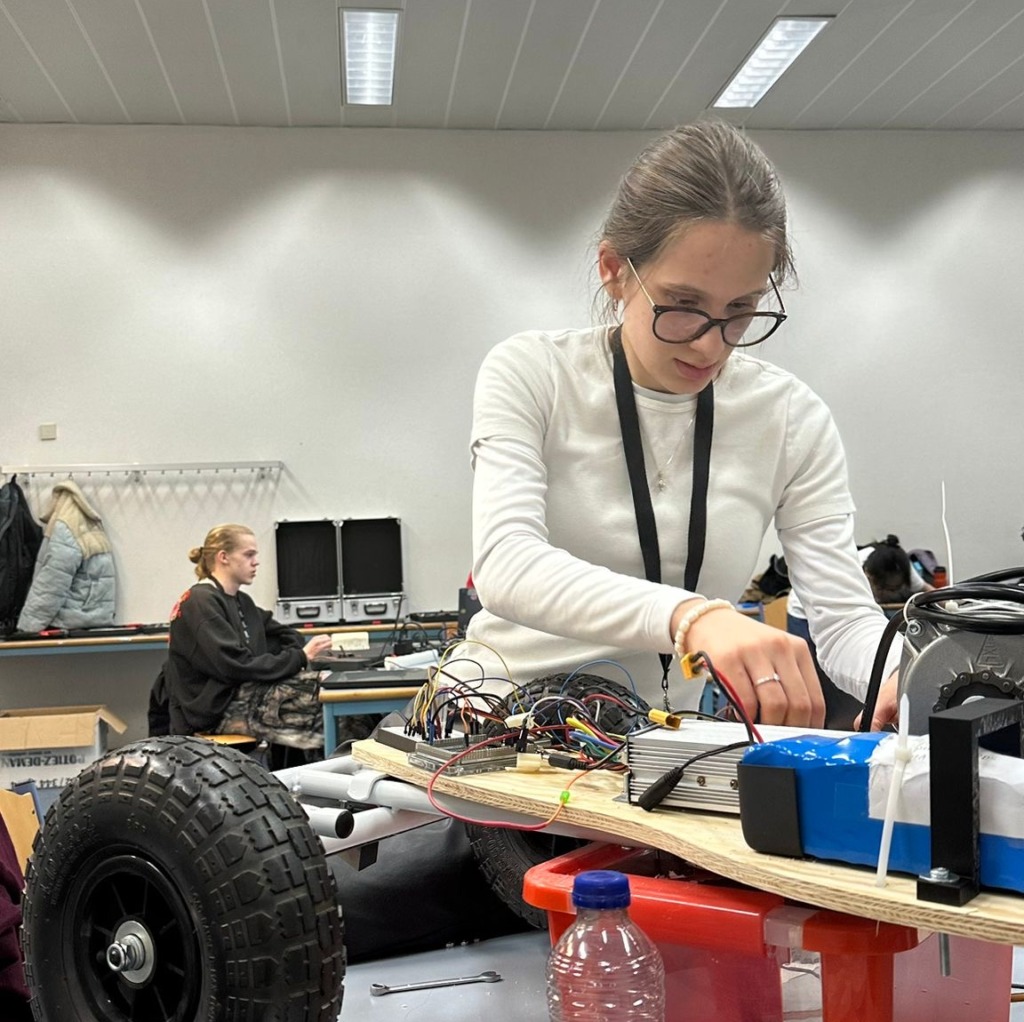
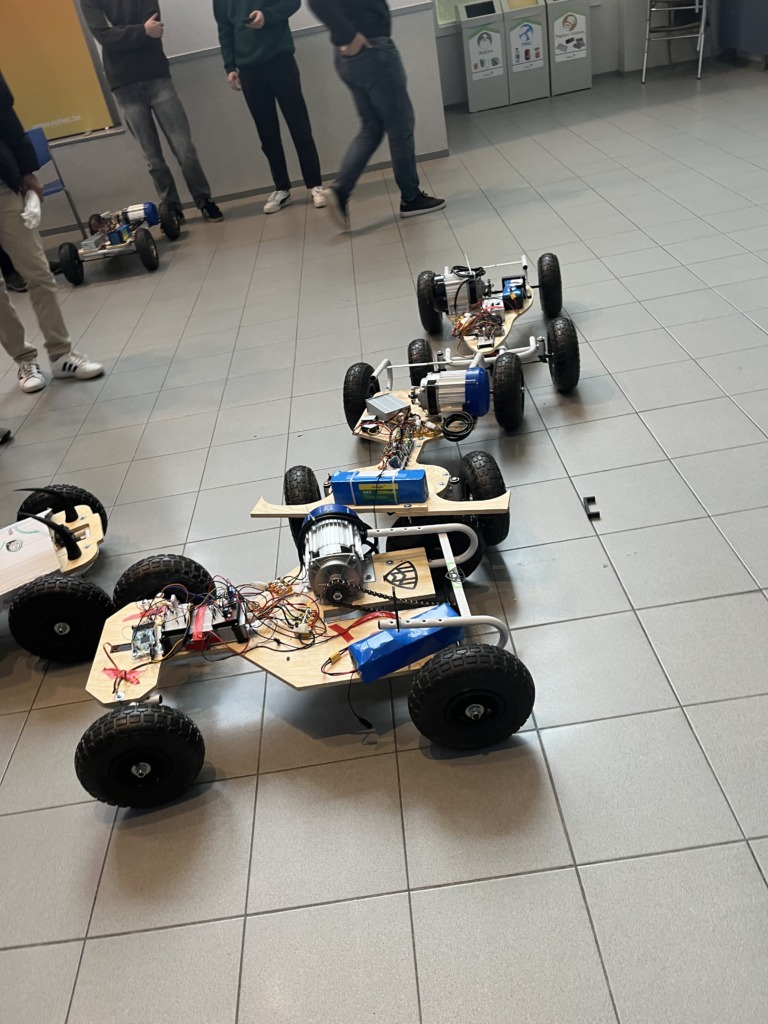
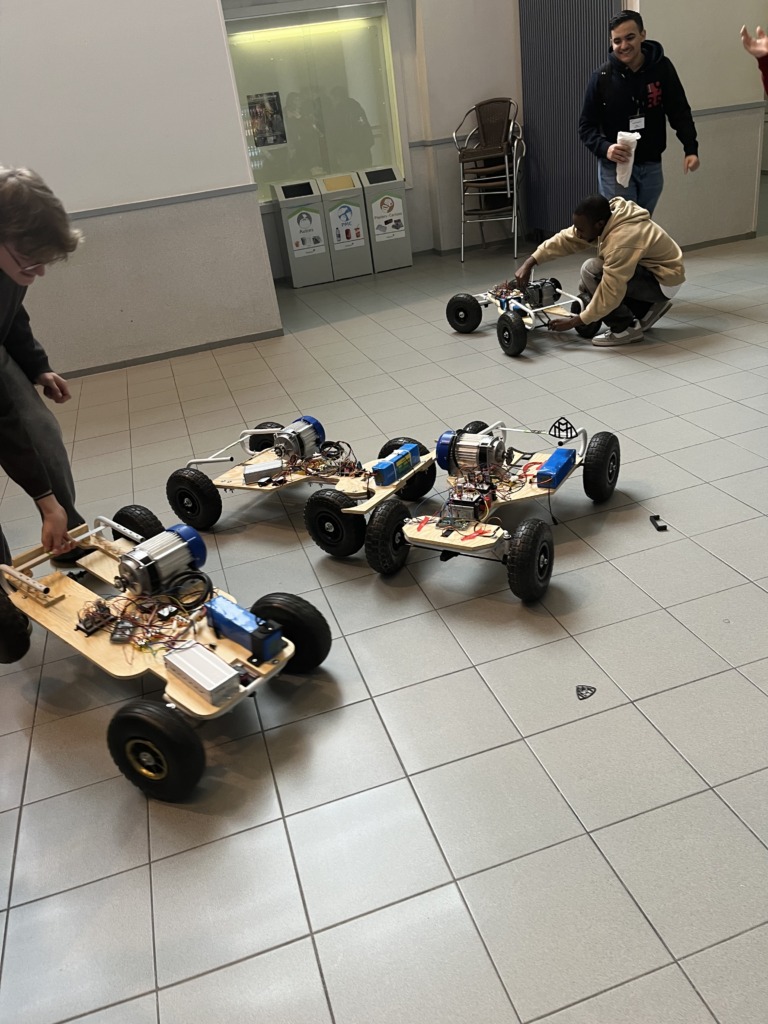
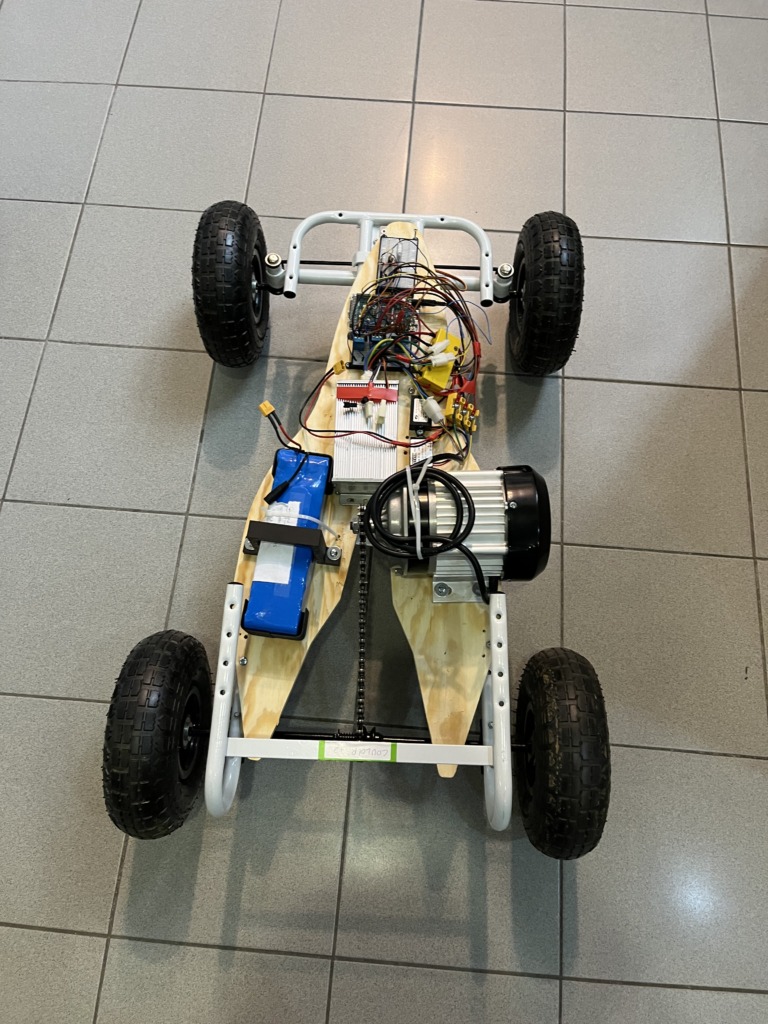
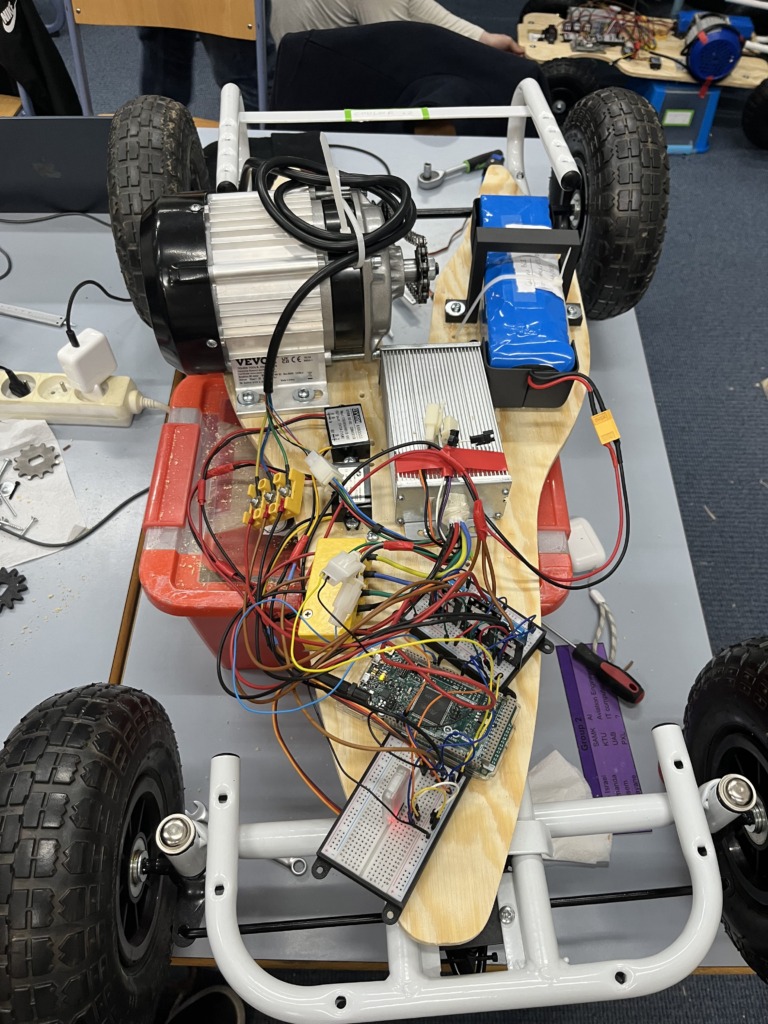
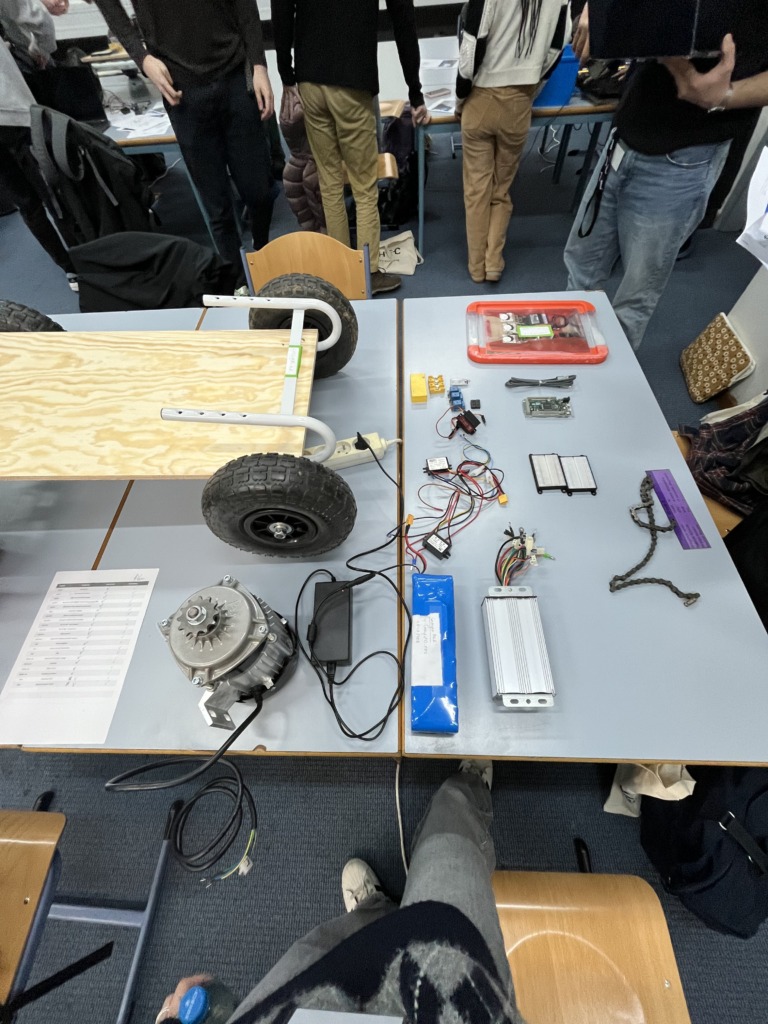
On February 2-6 a delegation of 9 KTU students, accompanied by the Vice-Dean for Education Darius Eidukynas took part in the BIP (Blended Intensive Programme), “Design and Build of a Smartphone‑Driven Kart: A Blend of Programming and Mechanics” at EPHEC, Belgium.
The project, supported by the Erasmus+ program, welcomed more than 30 international students from Finland, Belgium, Lithuania, and Romania.
Students from the Faculty of Mechanical Engineering and Design describe the experience as a turning point in both their technical growth and their understanding of what international teamwork can offer. Their motivations varied, but together they paint a picture of how short mobilities can strengthen engineering competence in ways that classroom learning alone cannot.
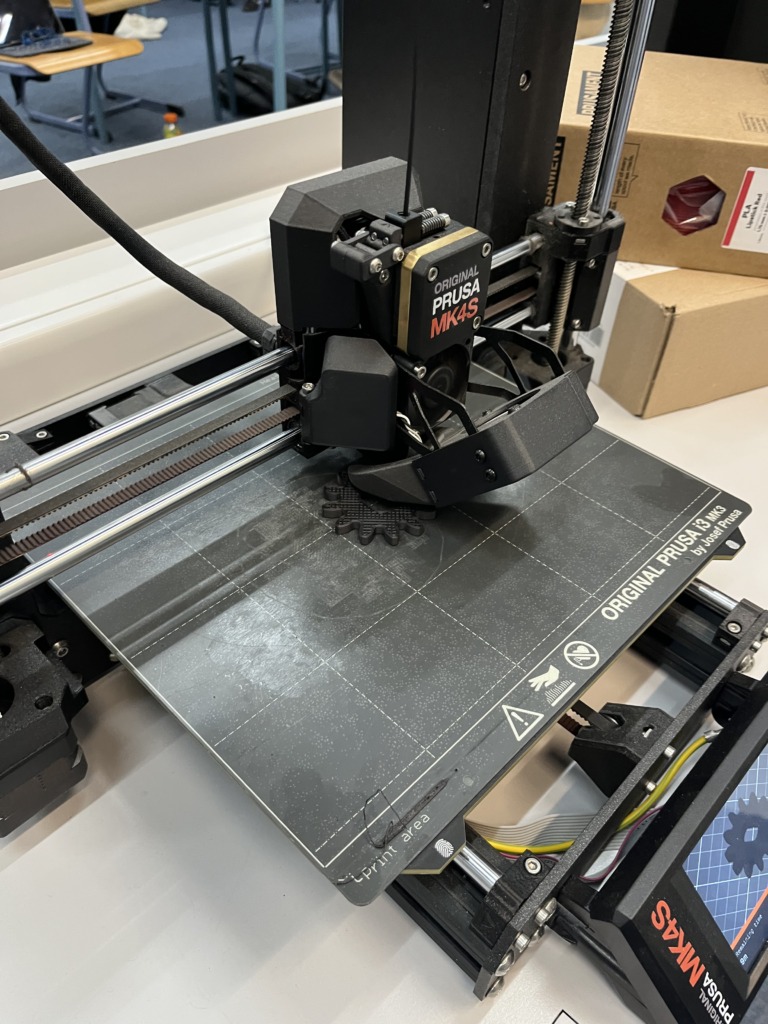
For Amanda Simm Butenas, Aviation engineering student, the motivation was strongly linked to technical curiosity. She highlights that the most valuable lesson was learning to design and print components in Fusion 360.
“I had never had direct contact with this before, and therefore it seemed a bit out of my reach or very difficult, but in reality, although a little challenging, it’s not impossible.”
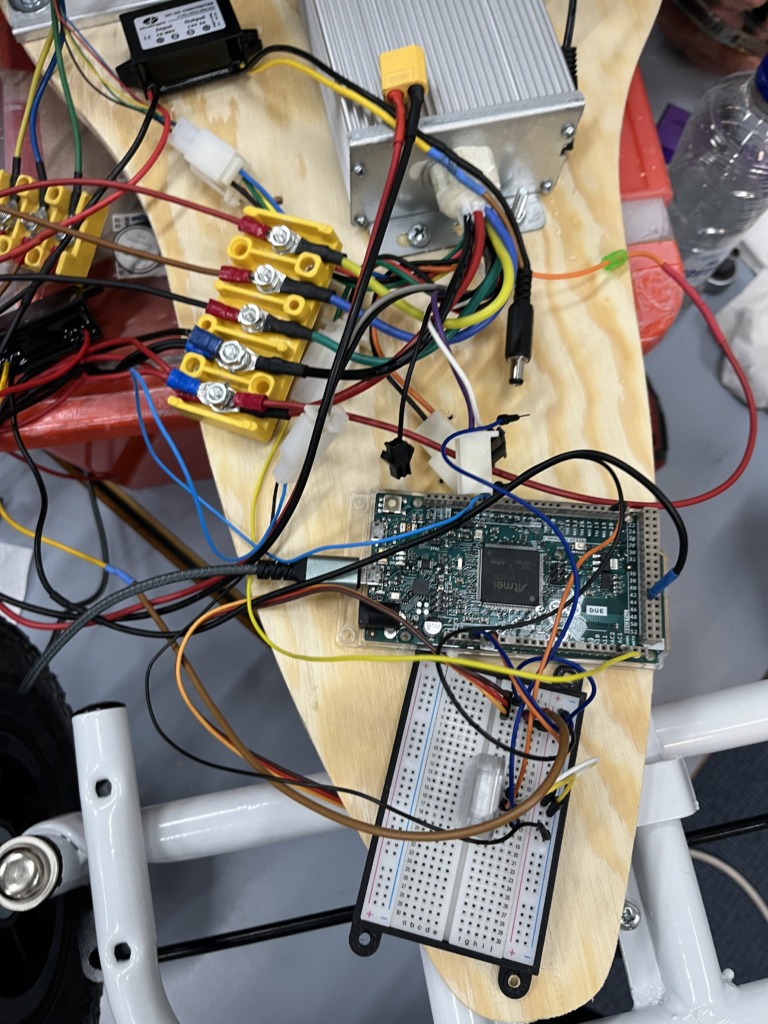
This hands‑on experience helped transform what once felt out of reach into a practical skill. Amanda also enjoyed the wiring and electronics work, noting that both tasks connect directly to aeronautical engineering. The project allowed her to see how small‑scale prototypes mirror the logic of larger engineering systems, reinforcing confidence in pursuing similar challenges in the future.
Bennett Wesley Gibson, Aviation engineering student, explains that the greatest benefit came from the multicultural environment:
“The best benefit from working in an international team are all of the different perspectives and stories that you discover along the way.”
Throughout the week, they learned about Ukrainian, Pakistani, Polish, Belgian, Latvian, and Vietnamese cultures, discovering not only different design ideas but also new friendships. For him, the project became more than building a kart: it became a reminder that engineering thrives on diverse viewpoints and collaborative problem‑solving.
Gintaras Kreišmonas, Mechatronics student, entered the programme with a clear goal: learning Arduino‑controlled mechanical systems. The mobility offered exactly that, that is an opportunity to test interests, experiment with real components, and understand how programming and mechanics merge in functional systems.
“For many engineering students, this kind of exploration is essential for discovering personal strengths and future career paths.”
Their week in Belgium shows how mobility program can shape both professional skills and personal growth. It is not just about building a smartphone‑driven kart, it is about building confidence, curiosity, and a global engineering mindset.
This BIP is supported by the Erasmus+ funds.
Erasmus+ opportunities / Studies – Kaunas University of Technology | KTU